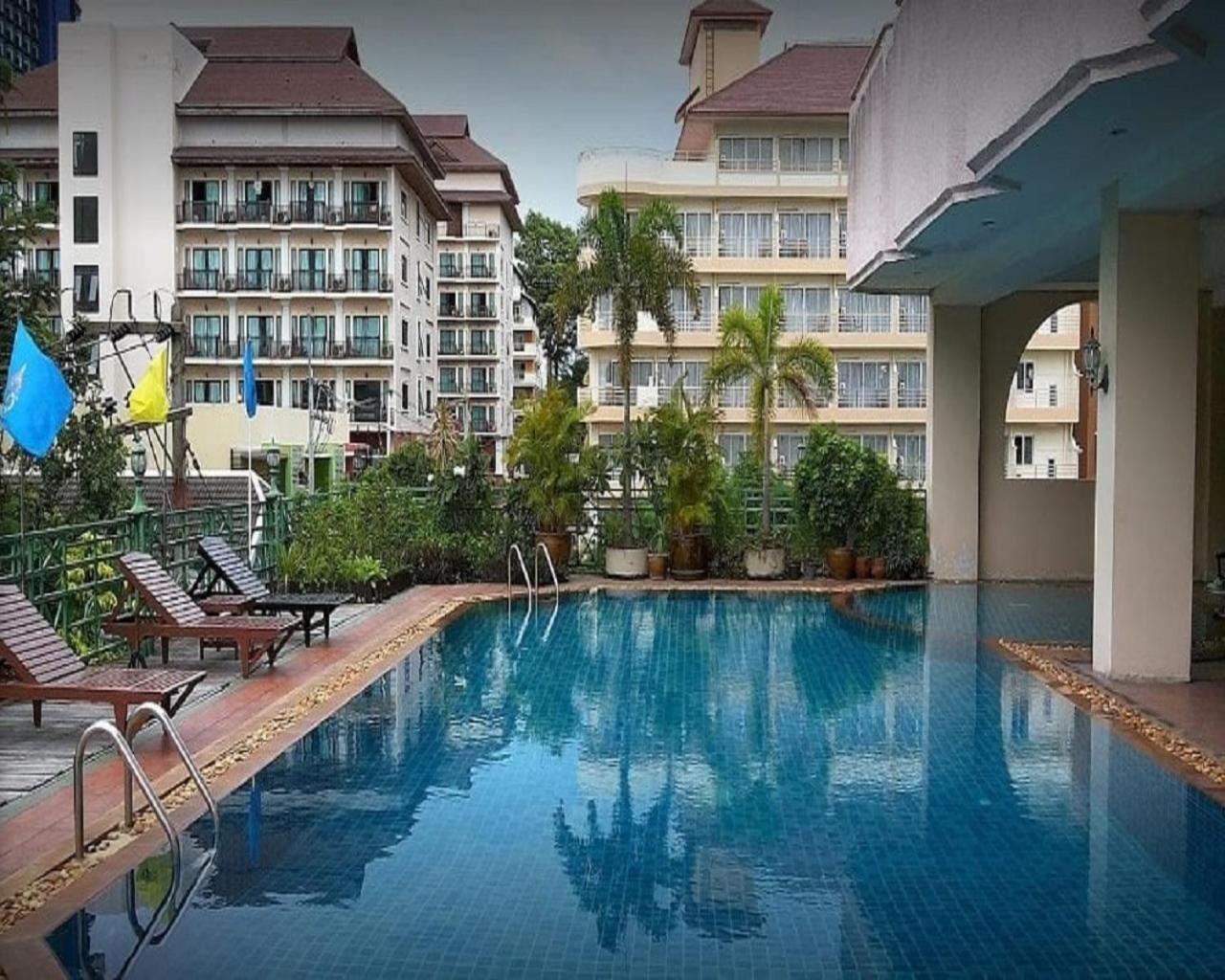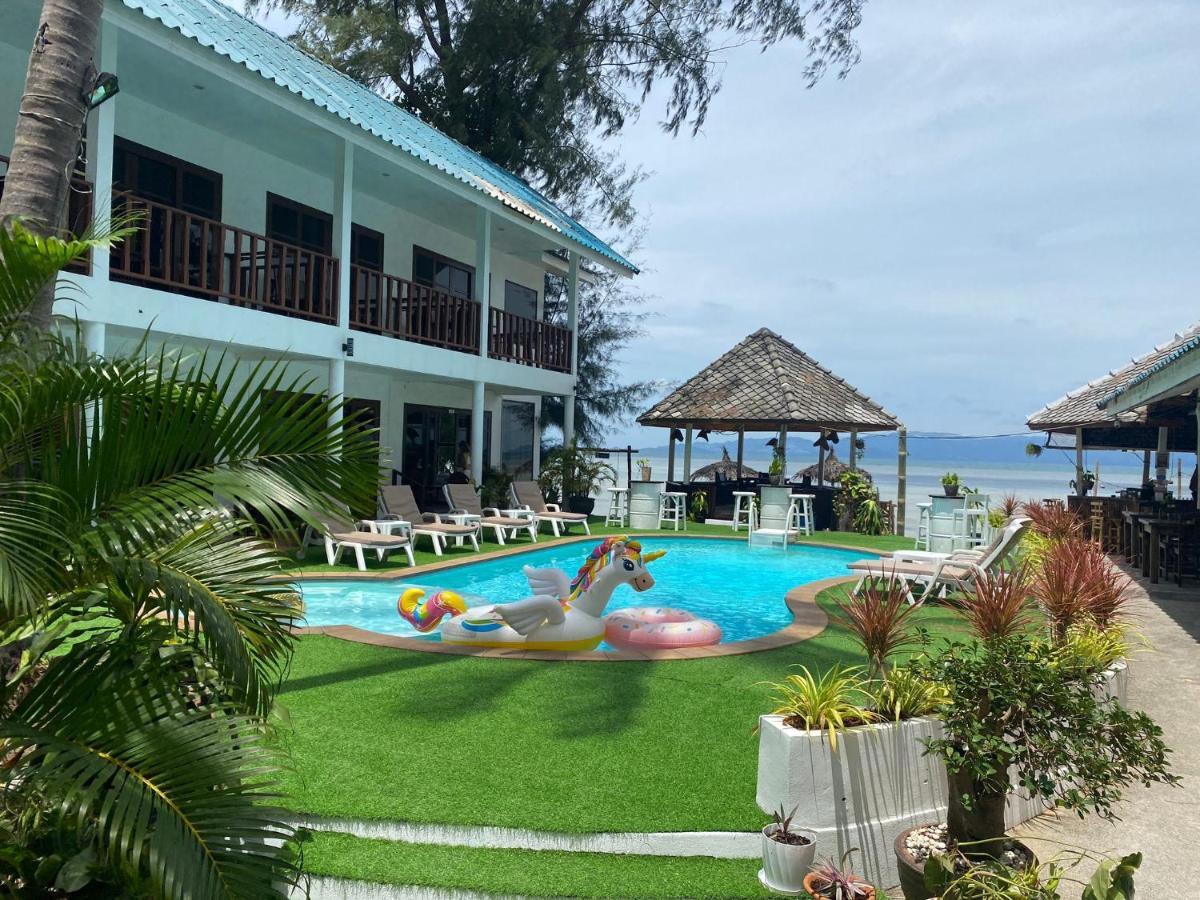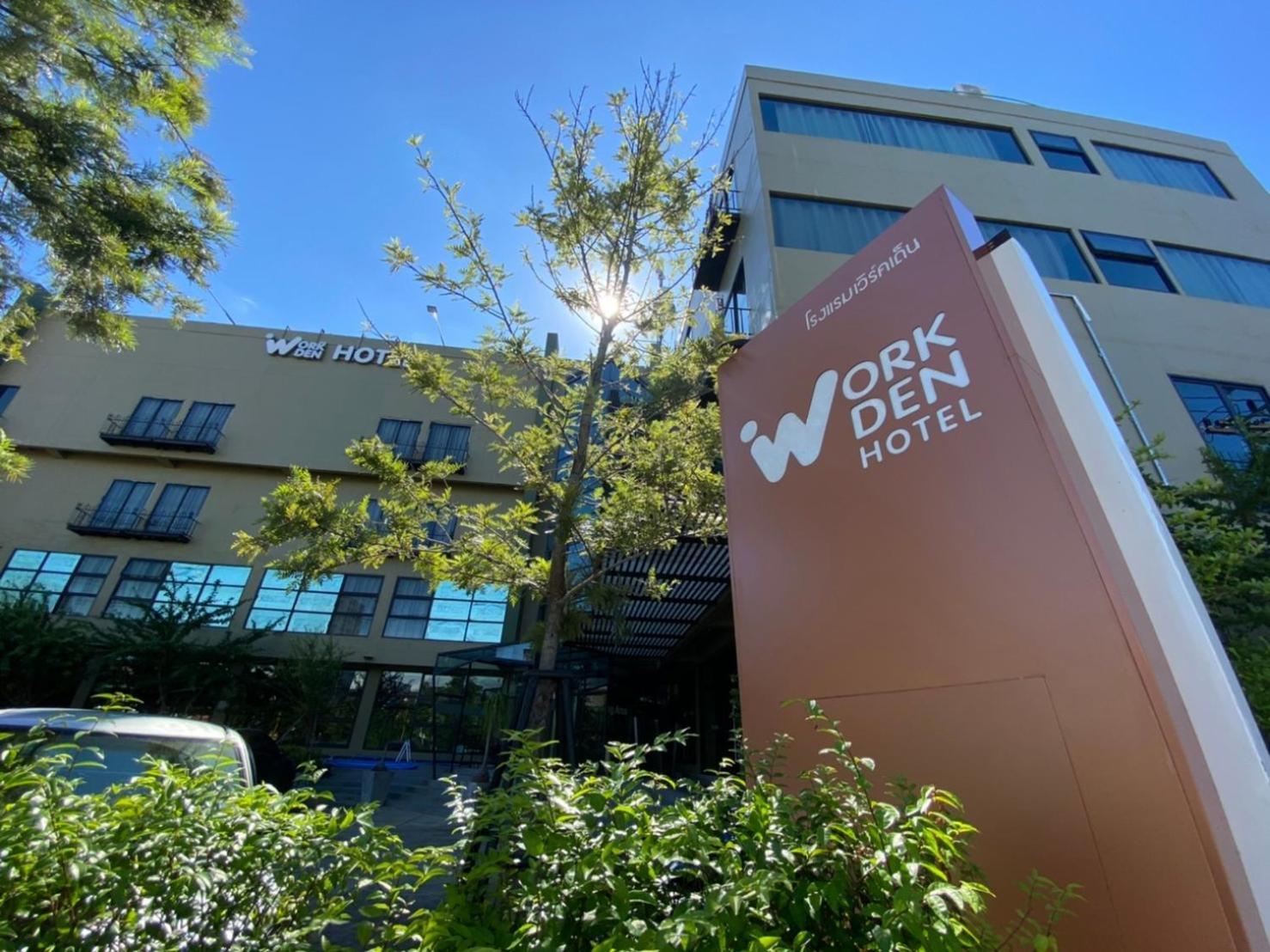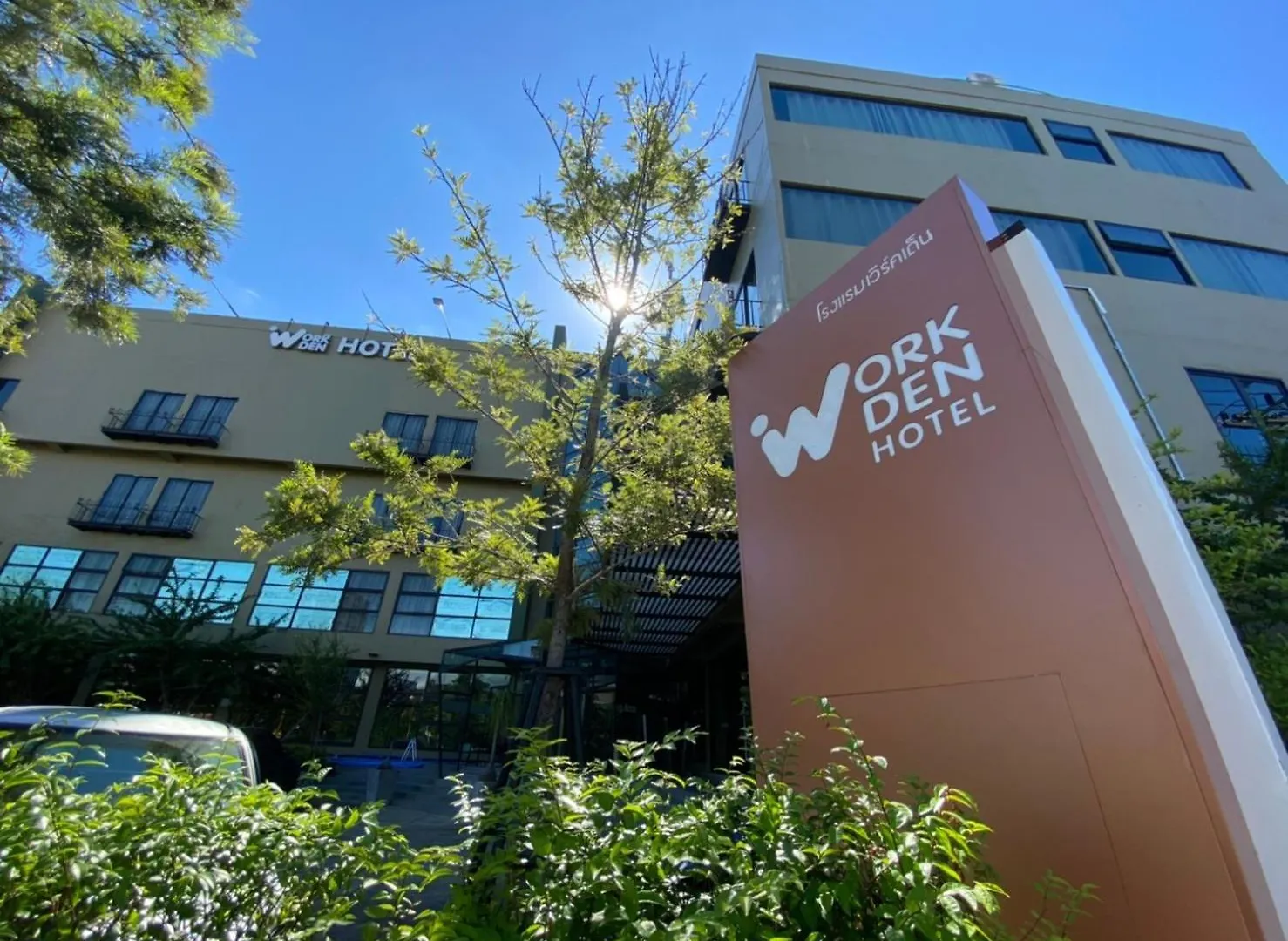
Northern Thailand stretches across a vast highland region connecting Chiang Rai, Pai, Chiang Khong, and dozens of smaller towns - each with its own pace, character, and proximity to landmarks that draw travelers year after year. Staying centrally in this region means different things depending on your base: in Chiang Rai, it means walking distance to the Clock Tower and Saturday Night Walking Street; in Pai, it means being steps from the Night Market; in Chiang Khong, it means riverfront access to the Mekong crossing into Laos. This guide covers 4 centrally located hotels across Northern Thailand's key destinations, helping you match your base to your itinerary.
What It's Like Staying in Northern Thailand
Northern Thailand operates at a slower rhythm than Bangkok - most towns shut down by 11 PM, songthaews (red shared trucks) replace taxis as the main urban transport, and distances between key attractions are short enough that a central hotel genuinely reduces your daily logistics. Chiang Rai's city center compresses its main sights within a walkable 2 km radius, making location a real advantage here. Pai, while small, rewards central stays because the Night Market, bus station, and most restaurants cluster tightly around one area - renting a scooter from a central hotel adds flexibility for reaching the surrounding valleys. Travelers seeking temple circuits, border crossings, or trekking access will find Northern Thailand's hub towns far easier to navigate from a well-placed central property than from a resort on the outskirts.
Pros:
- Short distances - Chiang Rai's top landmarks sit within around 2 km of its center, making walkability a genuine daily benefit
- Transport links from central locations include airport shuttle access, songthaew stops, and bus stations within easy reach
- Central hotels in this region typically cost less than equivalent properties in Bangkok or Chiang Mai, with better value-per-location ratios
Cons:
- Some central areas in Pai and Chiang Rai can be noisy on weekend nights due to walking streets and markets
- Songthaews and local transport outside city centers become less frequent after 7 PM, limiting evening mobility
- Northern Thailand's cooler highland winters (November to February) mean central hotels without heating can feel cold at night
Why Choose a Central Hotel in Northern Thailand
Central hotels in Northern Thailand occupy a practical sweet spot: they're rarely the cheapest option (budget guesthouses dominate the outskirts), but they offer a combination of location, amenities, and transport access that resorts set among rice paddies simply cannot match for travelers on structured itineraries. In Chiang Rai, a central property puts you within walking distance of Wat Phra Singh, the Saturday Night Walking Street, and shuttle connections to the White Temple - eliminating the cost of daily tuk-tuks. Room sizes in Northern Thailand's central hotels tend to be more generous than in Bangkok's equivalent tier, and free parking is a realistic standard rather than a premium add-on. The main trade-off is that some central hotels in smaller towns like Pai or Chiang Khong lack the landscaped grounds or pool access found in hillside resorts, though a handful do combine central positioning with outdoor pools - a rare but highly practical combination in the region's warmer months.
Pros:
- Free parking is widely available at central hotels in Northern Thailand, unlike in Bangkok where it typically costs extra
- Central positioning reduces reliance on paid transport to key sights, saving money over a multi-night stay
- Many central properties in the region include breakfast, 24-hour front desks, and airport shuttle options within the base rate
Cons:
- Central hotels in small towns like Pai have limited room inventory, meaning availability drops sharply around around 4 weeks before peak-season weekends
- Noise from night markets and weekend walking streets affects lighter sleepers in street-facing rooms
- Fewer central hotels in this region offer full resort facilities like large pools or spa services compared to hillside alternatives
Practical Booking & Area Strategy for Northern Thailand
Chiang Rai is the most practical base for first-time visitors to Northern Thailand - its city center is compact, the international airport sits around 5 km from the central district, and day trips to the White Temple (Wat Rong Khun), the Golden Triangle, and Doi Tung are all feasible without an overnight stay. Pai suits travelers who want a slower base with access to hot springs, canyon walks, and hillside viewpoints, but its single mountain road (Mae Hong Son Loop) means arriving or leaving takes time - the drive from Chiang Mai involves around 762 curves and takes roughly 3 hours by minivan. Chiang Khong is a specialist base: it primarily serves travelers crossing into Laos via the Mekong, and its riverside central area offers a genuinely local atmosphere with minimal tourist infrastructure pressure. For temple-focused itineraries, Chiang Rai's center covers Wat Phra Singh, Wat Rong Seur Ten (Blue Temple), and the Clock Tower within a single afternoon on foot or by bicycle. Book central properties in Pai at least 3 weeks ahead for visits during the cool season (November to February), when demand from both Thai domestic tourists and international visitors peaks simultaneously.
Best Value Stays
These centrally located properties deliver strong positioning and practical amenities at accessible price points across Chiang Rai and Pai.
-
1. Work Den Chiangrai
Show on map


 Check-infrom 14:00 until 23:59Check-outuntil 12:00
Just a few rooms left at the best rate!
fromTHB 816
-
2. Na-Rak-O Resort
Show on map


 Check-infrom 14:00 until 20:00Check-outfrom 07:00 until 11:00
Just a few rooms left at the best rate!
fromTHB 620
-
3. Cha Li'S Family Hotel&Hostel
Show on map


 Check-infrom 14:00 until 22:00Check-outfrom 10:00 until 12:00
Hurry – almost gone at this price!
fromTHB 6071
Best Premium Stay
This riverside property in Chiang Khong offers a more specialized central experience suited to travelers using the Mekong crossing or exploring the far north of the region.
-
4. Namkhong Riverside
Show on map


 Check-infrom 13:00 until 23:59Check-outuntil 12:00
Rooms filling fast – secure the best rate!
fromTHB 1077
Smart Travel & Timing Advice for Northern Thailand
The cool dry season from November to February is Northern Thailand's peak travel window - temperatures in Chiang Rai and Pai drop to around 10°C at night, the air is clear, and festival activity (including the Chiang Rai Flower Festival in January) pushes central hotel availability down sharply. Book central properties at least 3 weeks ahead for any weekend stay during this period, particularly in Pai where total room inventory across all hotels in the center is small. March and April bring the Songkran water festival and increasing heat, with temperatures reaching around 38°C in the valleys - central hotels with air conditioning become a non-negotiable rather than a preference. The wet season (June to October) sees fewer international visitors and lower rates at most properties, but road access to some highland areas can be disrupted by landslides, particularly on the Mae Hong Son Loop into Pai. For the Chiang Khong-Laos crossing, there is no strong seasonal pattern to crowds, but Thai public holidays create short but intense spikes in demand at riverside properties - checking the Thai holiday calendar before booking avoids unnecessary rate surges. A minimum stay of 2 nights per base town allows realistic day-trip coverage without constant repacking.