Chiang Mai Old Town sits inside a square moat dating to the 13th-century Lanna Kingdom, making it the most walkable and historically concentrated district in the city. For budget travelers, it delivers an unusually high return on a low nightly rate - temples, night markets, and street food are steps away, not a ride away. These two budget hotels place you directly inside that equation.
What It's Like Staying in Chiang Mai Old Town
The Old Town is a compact, moat-enclosed square where almost every major attraction - Wat Chedi Luang, Wat Phra Singh, the Sunday Night Market on Ratchadamnoen Road - is reachable on foot in under 15 minutes. Songthaews (red shared trucks) circle the moat and connect you to Nimman Road or the Night Bazaar for around 30-50 THB, so you're never marooned if you want to explore further. The rhythm here is unhurried during the day but noticeably busier on Sunday evenings when the walking street fills the main road with vendors and foot traffic.
First-time visitors and short-stay travelers benefit most from basing here - the density of sights per square kilometer is higher than any other Chiang Mai neighborhood. Travelers who need quiet, wide rooms, or modern mall access may find Nimman Road a more practical base.
Pros:
- * Walking access to over 30 temples, the Sunday Night Market, and Tha Phae Gate without needing transport
- * Dense concentration of cheap street food stalls, local coffee shops, and massage parlors within the moat area
- * Songthaew network makes the Night Bazaar, Nimman, and the train station all reachable under 30 THB
Cons:
- * Sunday evenings turn Ratchadamnoen Road into a crowded market - not ideal if your hotel is on that street
- * Very few convenience stores or supermarkets inside the moat; shopping requires going outside
- * Some older guesthouses inside the moat have small rooms with limited natural light due to dense building layout
Why Choose Budget Hotels in Chiang Mai Old Town
Budget hotels in the Old Town typically run between $15 and $35 per night, sitting well below the boutique and resort-style properties on Nimman Road that can reach $80-$120 for equivalent dates. What you trade in square footage, you recover in location value - a budget room inside the moat puts you closer to Wat Chedi Luang than a pricier room in the Riverside area does. Room sizes in this category average around 20 sqm, sometimes smaller for shared-bathroom options, but most budget properties compensate with communal perks like outdoor pools, gardens, or on-site restaurants that justify the trade-off.
The main friction points are noise on temple-adjacent streets during morning alms-giving (around 6-7 AM) and occasional foot traffic from tuk-tuks and tour vans pulling up to guesthouses. Hotels with inner courtyard gardens or pool areas provide a useful buffer from street-level activity without moving you away from the Old Town's core.
Pros:
- * Nightly rates around 40% lower than comparable Old Town boutique hotels, with no sacrifice on moat-area proximity
- * Many budget properties include pools - a genuine differentiator given Chiang Mai's heat from March through May
- * On-site restaurants serving Thai and Western food reduce daily spend significantly compared to tourist-area dining
Cons:
- * Rooms in this price bracket rarely exceed 22 sqm; not suited for long-stay travelers needing workspace or storage
- * Shared bathroom options exist at the lower end - always verify room type before booking
- * Security infrastructure varies; check for 24-hour front desk and CCTV before confirming
Practical Booking & Area Strategy for Chiang Mai Old Town
For budget travelers, the best-positioned streets inside the moat are Ratchaphakhinai Road (near Wat Phra Singh) and Moon Muang Road, which runs along the eastern moat wall - both give walkable access to Tha Phae Gate and the Sunday Night Market while keeping you a full block away from the loudest vendor activity. Tha Phae Gate itself anchors the east side of the Old Town and is the single most useful landmark for orientation, hosting the Sunday Night Market, local tuk-tuk stops, and several exchange booths. Hotels on the western inner streets closer to Wualai Road are quieter but require around a 10-minute walk to reach the main night market strip.
From Chiang Mai International Airport, a Grab or metered taxi to the Old Town costs around 150-200 THB and takes about 20 minutes outside peak traffic hours. Book at least 3 weeks ahead for peak season travel between November and February - budget rooms with pools inside the moat fill up faster than their price suggests, particularly around the Loi Krathong and Songkran festivals when walk-in availability drops sharply.
Best Budget Hotels in Chiang Mai Old Town
Both properties below offer outdoor pools and on-site dining - two practical advantages for budget stays in a city where heat and food costs are daily considerations.
-
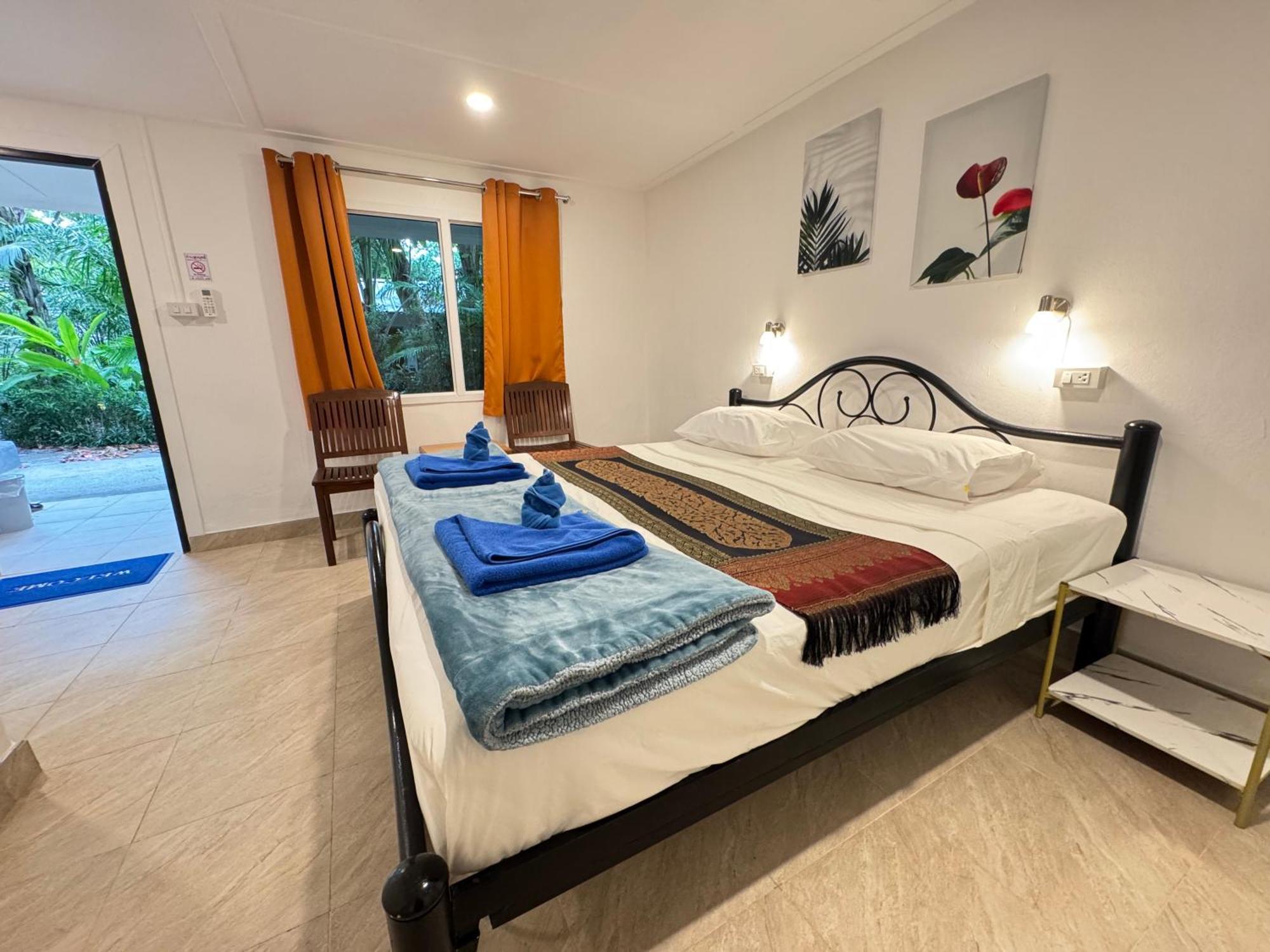
1. Collection O Lai Thai Guesthouse
Show on map


 Check-infrom 14:00 until 23:59Check-outuntil 12:00
Just a few rooms left at the best rate!
fromTHB 261
-
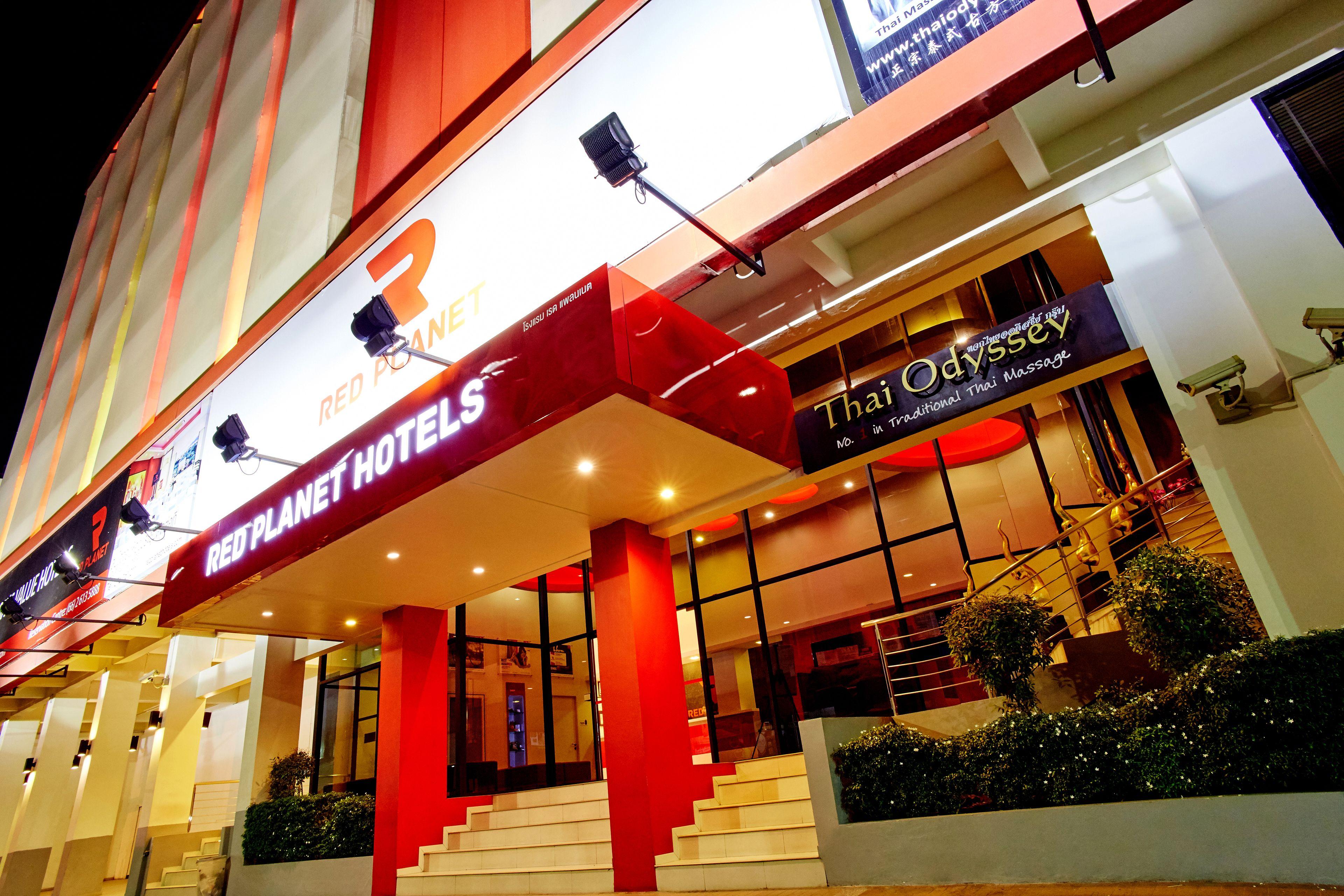
2. 99 The Gallery Hotel
Show on map


 Check-infrom 15:00 until 23:59Check-outfrom 01:00 until 12:00
Hurry – almost gone at this price!
fromTHB 881
Smart Travel & Timing Advice for Chiang Mai Old Town
November through February is peak season in Chiang Mai - temperatures drop to comfortable lows around 15°C at night, the air quality is at its best, and the Old Town fills up quickly. Budget rooms inside the moat that normally sit half-empty in June can be fully booked weeks out during this window, so booking at least 3 weeks in advance is a practical floor, not just a suggestion. Loi Krathong (typically November) and Songkran (April) both concentrate crowds and ceremonies directly in the Old Town, pushing nightly rates up by around 40% compared to shoulder-season averages. March through May brings intense heat and the burning season, when air quality in Chiang Mai deteriorates noticeably - this is when having a hotel with a pool and air conditioning is less of a perk and more of a necessity. The quietest and cheapest window is June through August, when monsoon rains keep tourist numbers lower and walk-in availability at budget properties is high. For a first visit focused on temples and markets, 3 nights is a realistic minimum; 5 nights allows for a day trip to Doi Inthanon National Park or an elephant sanctuary without feeling rushed.