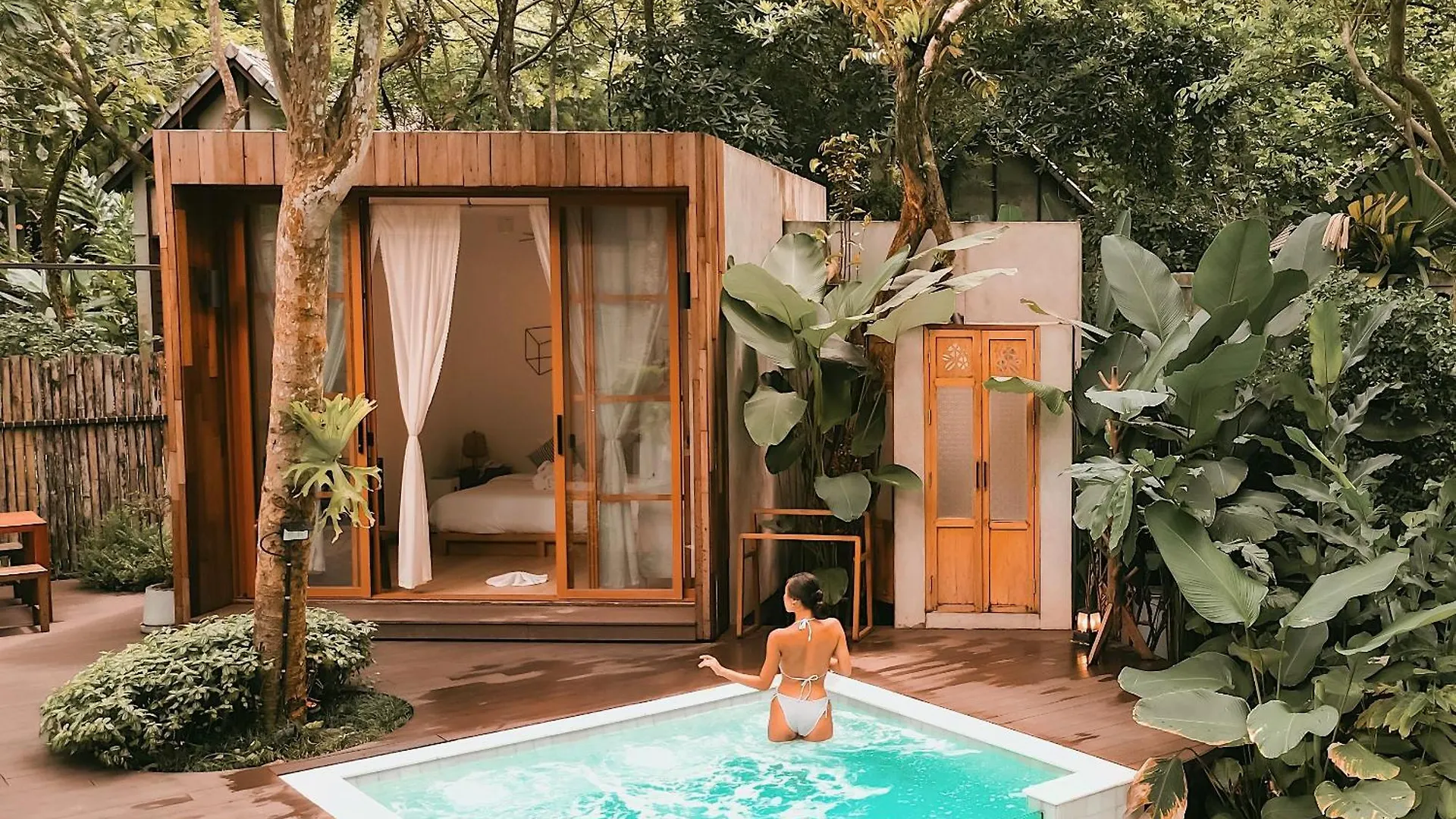
Chiang Mai Province stretches far beyond its walled Old City, encompassing misty mountain valleys, rice paddies, and forested hillsides that make resort-style stays genuinely different here than in urban Thailand. These four resorts sit across distinct sub-districts - from Mae Rim to Doi Saket - offering nature immersion without sacrificing access to the province's key cultural landmarks. Whether you're coming for temple circuits, elephant sanctuaries, or botanical garden day trips, choosing the right resort location shapes the entire trip.
What It's Like Staying In Chiang Mai Province
Chiang Mai Province is Thailand's northern cultural anchor, home to over 300 Buddhist temples, the Doi Inthanon national park, and a network of mountain roads connecting highland villages. Most resort zones sit 20-40 minutes from the Old City, meaning you get forested surroundings without being stranded - but you will need a vehicle or paid shuttle for most errands. Crowd patterns split sharply: the Old City and Nimman Road get saturated during peak season (November to February), while outer districts like Mae Rim and Doi Saket stay noticeably quieter year-round.
Pros:
- Genuine natural surroundings - waterfalls, botanical gardens, and hill tribe villages are accessible within around 30 minutes from most resort areas
- Resort prices in the province's outer zones are significantly lower than comparable properties in Phuket or Koh Samui
- Chiang Mai Province's cool-season climate (November-February) makes outdoor resort amenities - pools, garden walks, balcony breakfasts - genuinely pleasant
Cons:
- No resort zone has reliable public transport; a rental car or daily shuttle is essentially mandatory
- Smoke season (March-April) from agricultural burning significantly reduces air quality and visibility across the entire province
- Nightlife and restaurant variety require a deliberate drive into the city - spontaneous evening outings are less practical
Why Choose A Resort In Chiang Mai Province
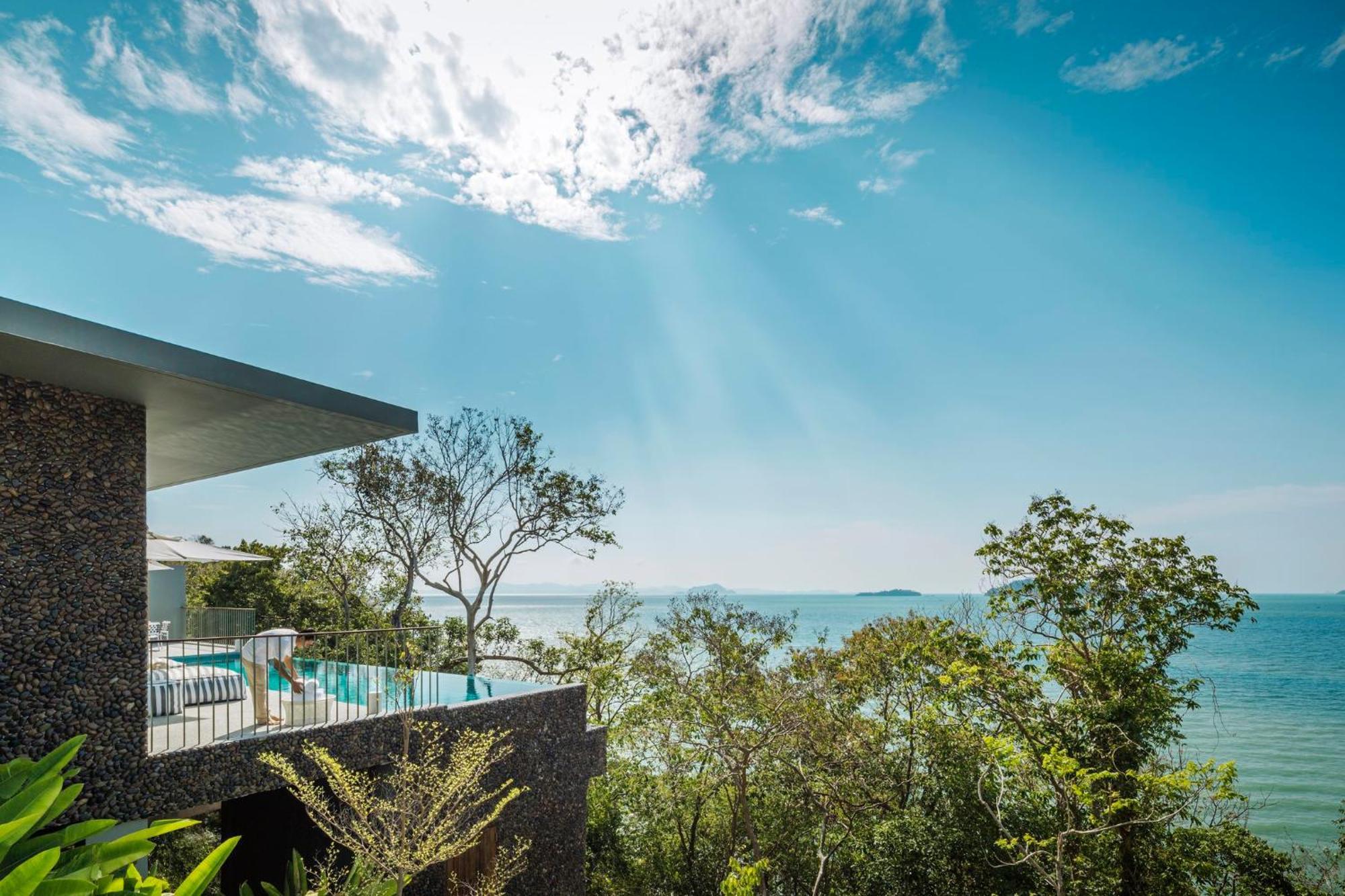
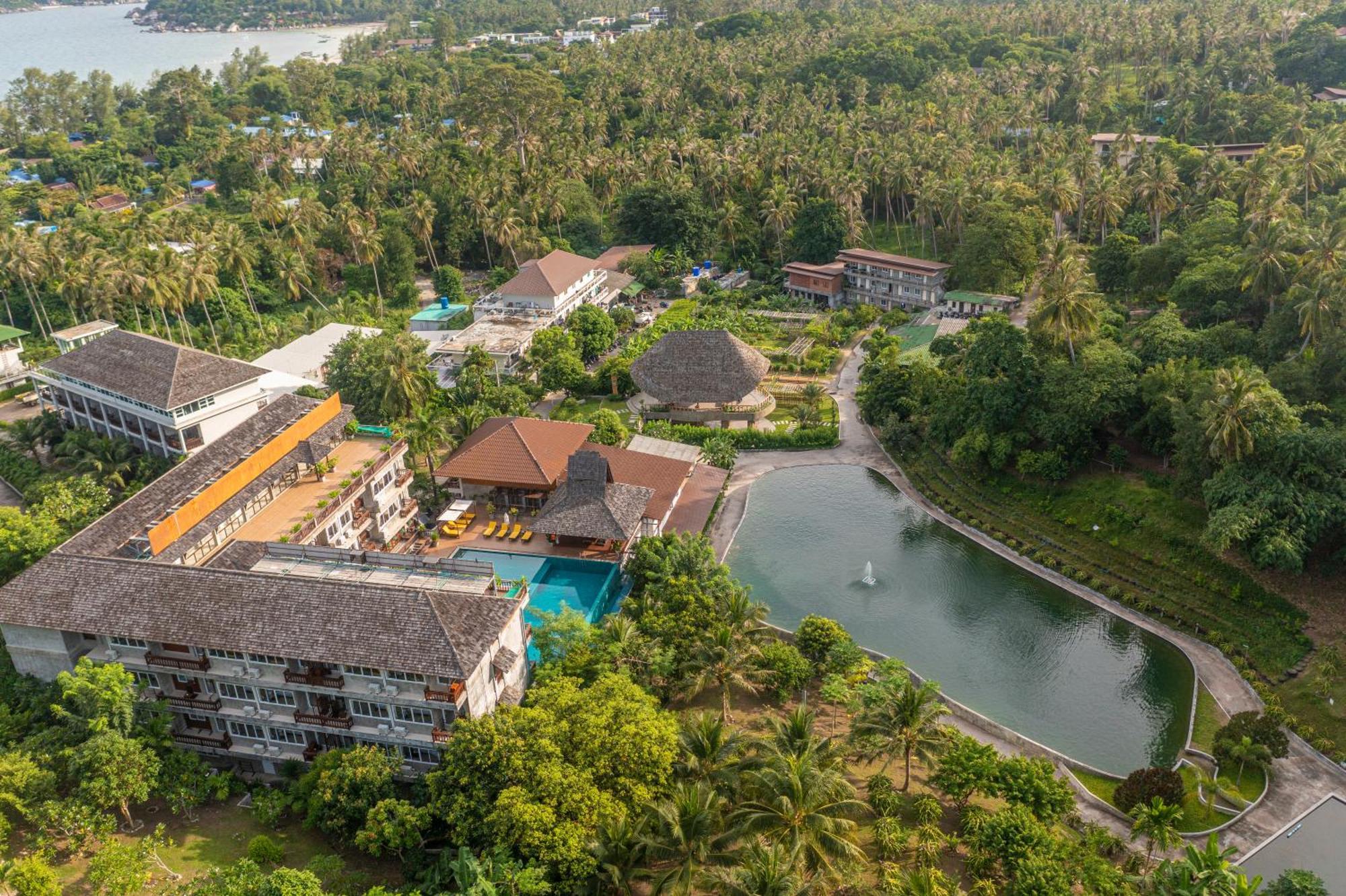
Resorts in Chiang Mai Province occupy a distinct niche: they're typically villa-format properties set within gardens, hillsides, or riverside land, offering spatial generosity that urban hotels simply cannot match. Private villa layouts with balconies and outdoor areas are the standard, not the exception, and most include a pool, spa, and on-site restaurant - making it realistic to spend half your trip without leaving the grounds. Compared to boutique hotels inside the Old City moat, resorts here offer roughly around 40% more space per room category at comparable price points.
Pros:
- Villa-style accommodation with private balconies and garden access comes standard across most properties in this category
- On-site spas, pools, and restaurants make the resort genuinely self-contained - valuable if you're visiting primarily to decompress
- Lanna-style architectural design and Thai-garden landscaping add cultural context that generic city hotels lack
Cons:
- Resort stays require advance planning for every city excursion - tuk-tuks and Grab availability drop sharply outside the urban core
- On-site dining, while atmospheric, is priced at a premium relative to the street food and local restaurants you'd access from a city hotel
- Early morning wildlife sounds and insects are part of the setting - guests expecting a sterile hotel environment will find the nature-immersive reality an adjustment
Practical Booking & Area Strategy
The Mae Rim corridor (north of Chiang Mai city) is the most established resort zone in the province, placing guests within easy reach of the Queen Sirikit Botanical Garden, elephant camps, and Mae Sa Waterfall. Doi Saket, to the northeast, is quieter and less touristed - better suited to travelers who prioritize seclusion over itinerary convenience. Book at least 6 weeks ahead for travel between November and February, when the cool season drives occupancy across all resort categories to near-capacity.
For cultural sightseeing, the key landmarks - Doi Suthep temple, Chedi Luang, and the Saturday Walking Street - are all accessible as day trips from any resort in this guide, though expect around 30 to 45 minutes of driving time depending on your exact property. Renting a car or motorbike unlocks far more flexibility than relying on resort shuttles, which typically run fixed schedules to the airport or city center only. Night Bazaar and Nimman Road dining are best treated as planned evening outings rather than spontaneous stops.
Best Value Stays
These resorts deliver strong spatial and amenity value relative to their positioning - villa layouts, on-site pools, and nature surroundings at accessible price points across the Mae Rim and Doi Saket districts.
-
1. Proud Phu Fah Maerim Resort
Show on map


 Check-infrom 14:00 until 23:59Check-outfrom 11:00 until 12:00
Just a few rooms left at the best rate!
fromTHB 3329
-
2. Baan Chai Thung Resort
Show on map


 Check-infrom 13:00 until 23:59Check-outuntil 12:00
Just a few rooms left at the best rate!
fromTHB 1436
Best Premium Stays
These properties offer elevated amenity packages - full spa facilities, curated design, and stronger natural settings - suited to guests prioritizing a resort experience as the centerpiece of their Chiang Mai trip.
-
3. Sukantara Cascade Resort And Spa
Show on map


 Check-infrom 15:00 until 20:00Check-outfrom 08:00 until 11:00
Hurry – almost gone at this price!
fromTHB 3558
-
4. Vanilla Hill
Show on map


 Check-infrom 14:00 until 23:00Check-outuntil 12:00
Rooms filling fast – secure the best rate!
fromTHB 3525
Smart Travel & Timing Advice For Chiang Mai Province
November through February is the undisputed peak window for Chiang Mai Province resorts - temperatures drop to around 15°C at night in the mountains, the sky stays clear, and outdoor pools, garden breakfasts, and hillside walks are all at their most enjoyable. Resort rates during this period climb significantly, particularly around the Yi Peng Lantern Festival (November) and Christmas-New Year week, when availability at well-reviewed properties can disappear weeks in advance.
March and April bring the smoke season - agricultural burning across the region pushes air quality index readings to unhealthy levels on many days, making outdoor resort amenities far less appealing. May through October offers the best value pricing, with rates dropping noticeably and crowds thinning, though afternoon rain is a daily expectation from June onward. For most travelers, a stay of 3 nights at a resort provides enough time to decompress on-site while completing the key day trips - Doi Suthep, the botanical garden, and one elephant sanctuary visit - without feeling rushed or over-scheduled.