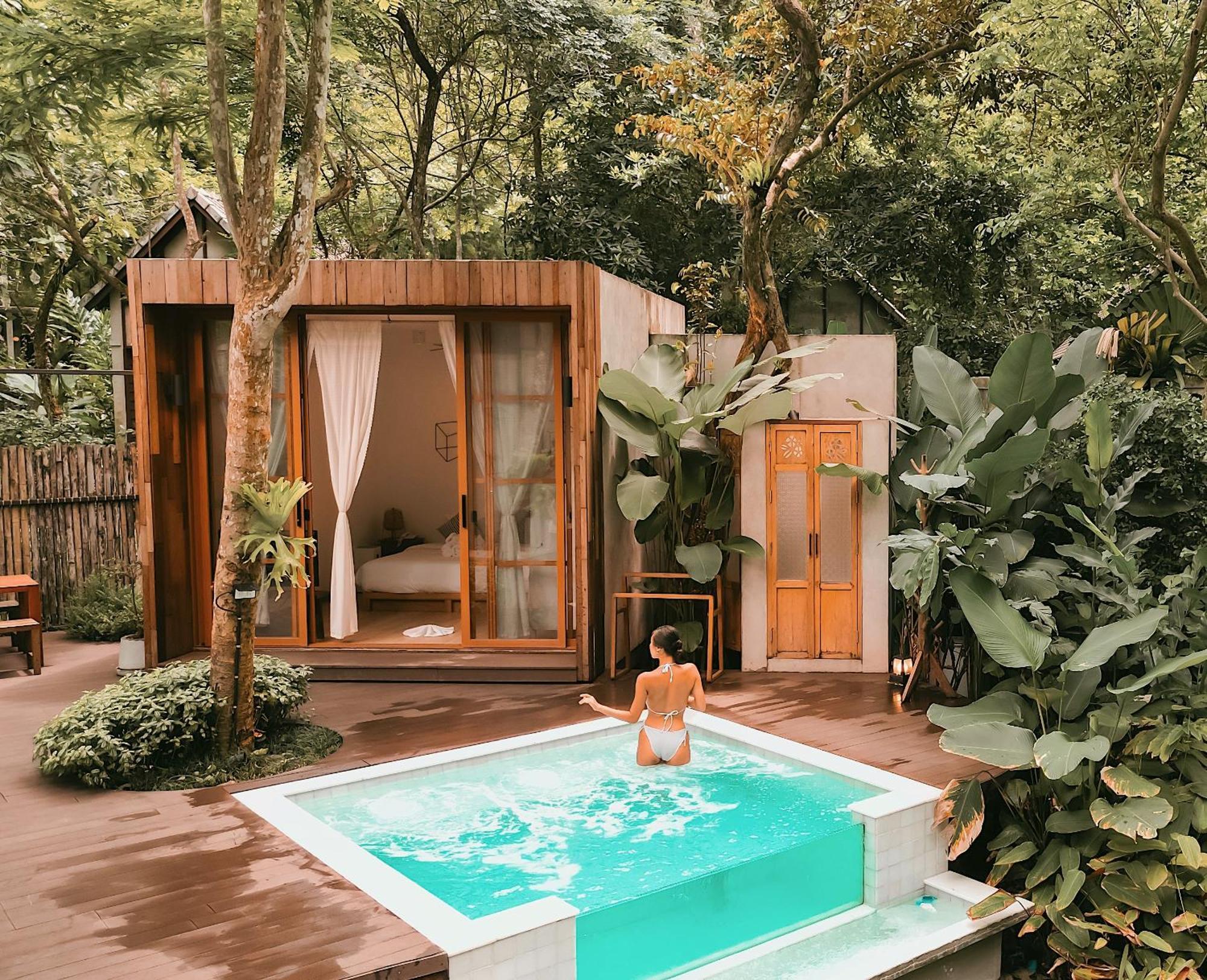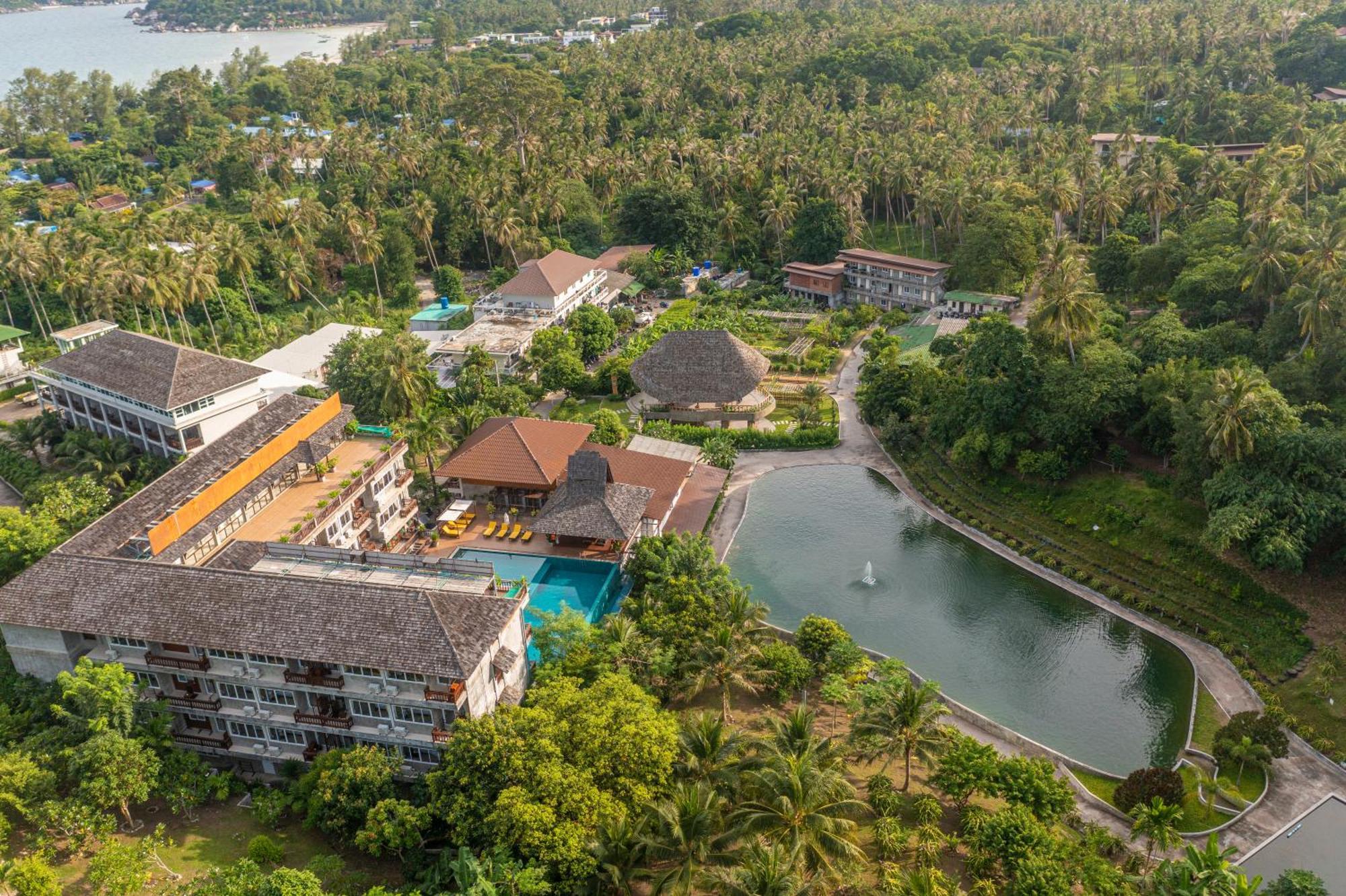
Thailand's resort scene spans over 3,000 kilometers of coastline, jungle interiors, and river-canal landscapes - each offering a fundamentally different stay. Whether you're weighing a beachfront property on Ko Samed, a hillside wellness retreat near Pai, or a floating-market resort in Ratchaburi, the country's diversity means the right choice depends heavily on location and travel intent. This guide breaks down what staying at a Thai resort actually looks like, which zones make strategic sense, and which properties stand out across the country's most distinct regions.
What It's Like Staying at a Resort in Thailand
Thailand draws around 40 million international visitors annually, and resort stays are the dominant accommodation format - not just in beach zones but increasingly inland, near cultural landmarks and natural attractions. Resort properties here range from ultra-private Cape villas to riverside jungle bungalows, and the gap between a budget beachfront resort and a luxury wellness property can be dramatic in both price and experience. Unlike European resort models, Thai resorts often integrate outdoor living deeply into the room design itself - terraces, garden paths, and open-air dining are the norm rather than the exception. Crowd patterns vary sharply by region: Gulf Coast spots like Hua Hin stay busy almost year-round, while Andaman resorts in Phuket and Trang face low-season quietness from May through October due to monsoon conditions.
Pros:
- Thailand's resort geography is genuinely varied - you can choose between island escapes, mountain retreats, canal-town stays, and jungle hideouts within the same country
- Most resorts include private beach access, pools, or direct nature immersion that urban hotels cannot match
- Thai resorts frequently offer on-site spa treatments, local cuisine, and curated cultural experiences at far lower costs than comparable properties in Bali or the Maldives
Cons:
- Remote resort locations in places like Ko Mook or Ratchaburi require additional transport planning - taxis, ferries, or long drives from the nearest airport
- Peak season (November to February) drives prices up sharply and requires early booking, especially for beachfront properties
- Some resort zones lack walkable infrastructure - dining, shopping, and nightlife often require a vehicle or resort shuttle
Why Choose a Resort Stay in Thailand
Resorts in Thailand consistently outperform standard hotels on space, amenities, and immersive setting - and the price premium is often modest compared to international benchmarks. A well-positioned Thai resort can include a private pool villa, multiple dining options, and spa access at a rate that would buy only a standard hotel room in Western Europe. Room sizes at Thai resorts typically exceed those in Bangkok city hotels by a significant margin, with many properties offering suite-level square footage as the baseline unit type. The trade-off is access: resorts built for privacy are often 20 to 40 minutes from the nearest town center, pharmacy, or transport hub. Resorts near working local markets - like those adjacent to Damnoen Saduak or Amphawa - offer a cultural layer that pure beach resorts cannot, making them a genuinely different category of stay.
Pros:
- On-site facilities - pools, spas, restaurants, boat rentals - reduce the need to leave the property, which suits travelers who want a self-contained experience
- Many Thai resorts are built within or adjacent to natural attractions: national parks, beaches, rivers, and cave systems are often within walking distance
- Breakfast is frequently included and reflects local cuisine - not just continental spreads - adding practical value to the room rate
Cons:
- Isolation cuts both ways - resorts far from towns can feel limiting for travelers who want spontaneous dining or nightlife access
- Some mid-range Thai resorts advertise facilities that are seasonal or inconsistently available during the low season
- Wi-Fi quality drops sharply in remote island or jungle resort locations, which matters for remote workers or long-stay travelers
Practical Booking & Area Strategy for Thai Resorts
Thailand's resort regions each serve a different travel profile, and choosing the wrong zone is the most common planning mistake. Phuket and the Andaman Coast deliver the most polished resort infrastructure - international airports, private beach access, and high-end dining - but come with proportionally higher prices and heavier tourist density from November through April. The Gulf Coast - including Hua Hin and Ko Samed - is more accessible from Bangkok (around 3 hours by road) and stays drier during months when Phuket faces monsoon conditions, making it a strategic alternative for travelers with flexible timing. Inland resort zones like Ratchaburi, Amphawa, and Damnoen Saduak are consistently overlooked but offer proximity to floating markets, cave systems, and botanical gardens with almost none of the crowd pressure found on the coasts. For island resorts in Trang province - particularly Ko Mook - a connection through Trang Airport followed by a ferry is required; factor around half a day of travel from Bangkok. Travelers planning a multi-stop Thailand itinerary should note that pairing a northern retreat near Pai with a southern beach resort across two separate legs gives access to both the mountain hot springs culture of Mae Hong Son province and the Andaman coastline without doubling back.
Andaman & Phuket Resorts
These properties sit on or near the Andaman Sea, offering the most dramatic coastal scenery in Thailand alongside well-developed resort infrastructure and direct international airport access.
-
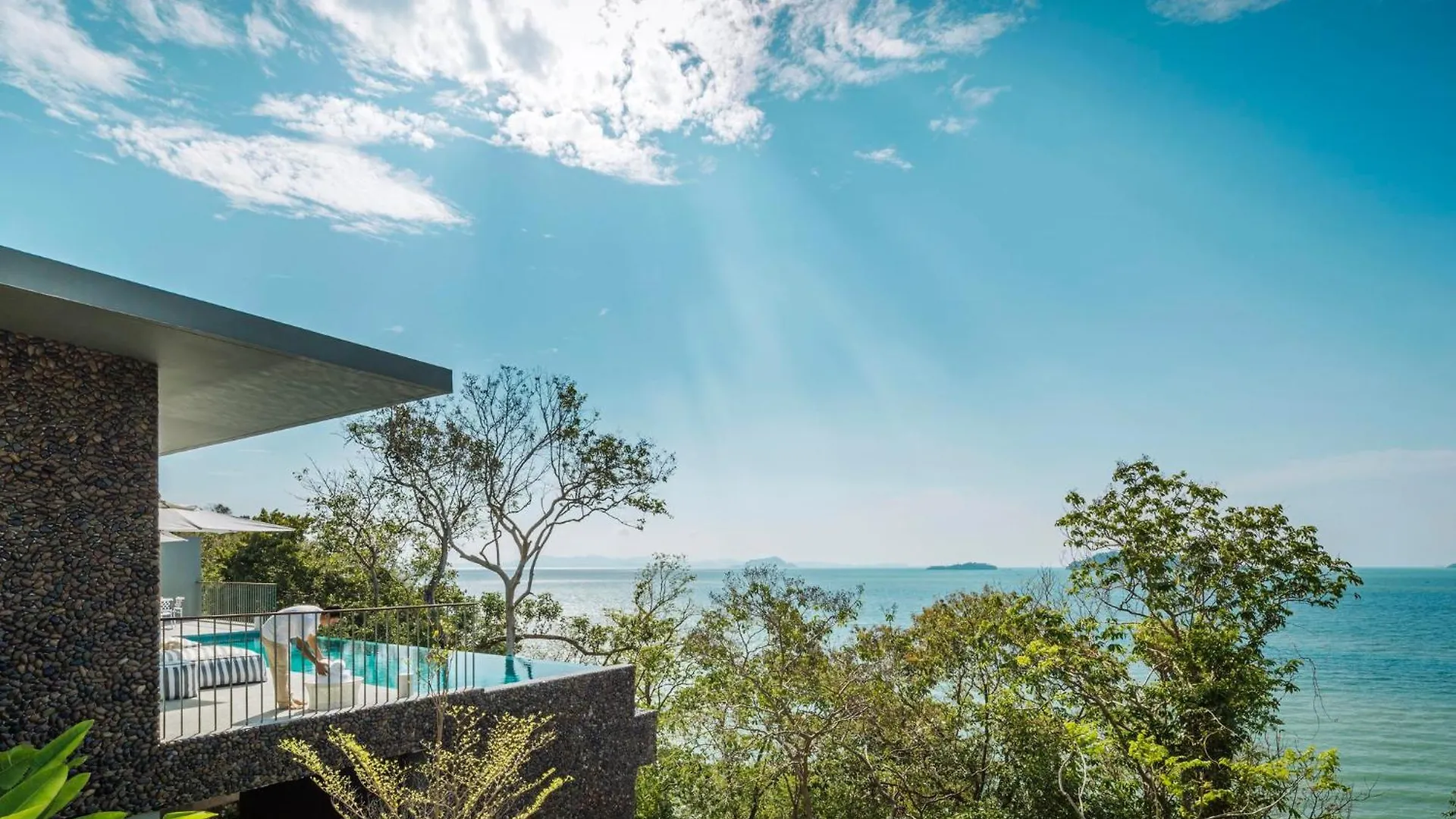
1. Como Point Yamu, Phuket
Show on map


 Check-infrom 14:00 until 23:59Check-outuntil 12:00
Just a few rooms left at the best rate!
fromTHB 6495
Island, Coastal & Inland Resorts Across Thailand
From the remote shores of Ko Mook in Trang province to the canal towns of Ratchaburi and the Gulf beaches of Hua Hin and Ko Samed, these properties represent Thailand's most geographically diverse resort options.
-
2. Koh Mook Riviera Beach Resort
Show on map


 Check-infrom 14:00 until 18:00Check-outfrom 07:00 until 10:00
Just a few rooms left at the best rate!
fromTHB 1795
-
3. Tonsak Resort
Show on map


 Check-infrom 14:00 until 18:00Check-outfrom 08:00 until 11:00
Just a few rooms left at the best rate!
fromTHB 2938
-
4. Resort De Paskani
Show on map


 Check-infrom 15:00 until 23:30Check-outfrom 06:00 until 12:00
Hurry – almost gone at this price!
fromTHB 2611
-
5. Chuchaiburi Sri Amphawa
Show on map


 Check-infrom 14:00 until 23:59Check-outfrom 09:00 until 12:00
Hurry – almost gone at this price!
fromTHB 1567
-
6. Sanita Cottage
Show on map


 Check-infrom 12:00 until 23:59Check-outuntil 12:00
Hurry – almost gone at this price!
fromTHB 1501
-
7. Maikaew Damnoen Resort
Show on map


 Check-infrom 14:00 until 23:59Check-outfrom 06:00 until 12:00
Rooms filling fast – secure the best rate!
fromTHB 10380
-
8. Pai Hotsprings Spa Resort
Show on map


 Check-infrom 14:00 until 20:00Check-outuntil 12:00
Rooms filling fast – secure the best rate!
fromTHB 1306
Smart Timing & Booking Strategy for Thai Resorts
Thailand's resort calendar is split by geography, and booking without accounting for regional weather is one of the most costly planning mistakes. The Andaman Coast - including Phuket and Trang's Ko Mook - runs its high season from November through April, when prices at Phuket resorts can increase by around 60% compared to low-season rates, and beachfront availability at properties like COMO Point Yamu fills weeks in advance. The Gulf Coast operates on an inverted schedule: Hua Hin and Ko Samed stay reliably dry from March through October, making them the stronger bet when the Andaman side is in monsoon. Inland resorts in Ratchaburi and Amphawa are largely season-independent since their appeal - floating markets, caves, botanical gardens - is not weather-sensitive in the same way, and they consistently offer availability even during Thai public holidays when coastal properties are fully booked. For northern mountain resorts near Pai, the coolest and most comfortable visiting window runs from November through February, when temperatures drop to around 10°C at night - a dramatically different experience from Thailand's beach climate. Regardless of region, booking at least 6 weeks ahead for the November-to-February peak period is the minimum buffer for securing preferred room types at mid-range to luxury Thai resorts. Last-minute availability does appear in the May-to-October shoulder period, particularly at Gulf Coast and inland properties, but Andaman resorts often close partially during this window, reducing options significantly.