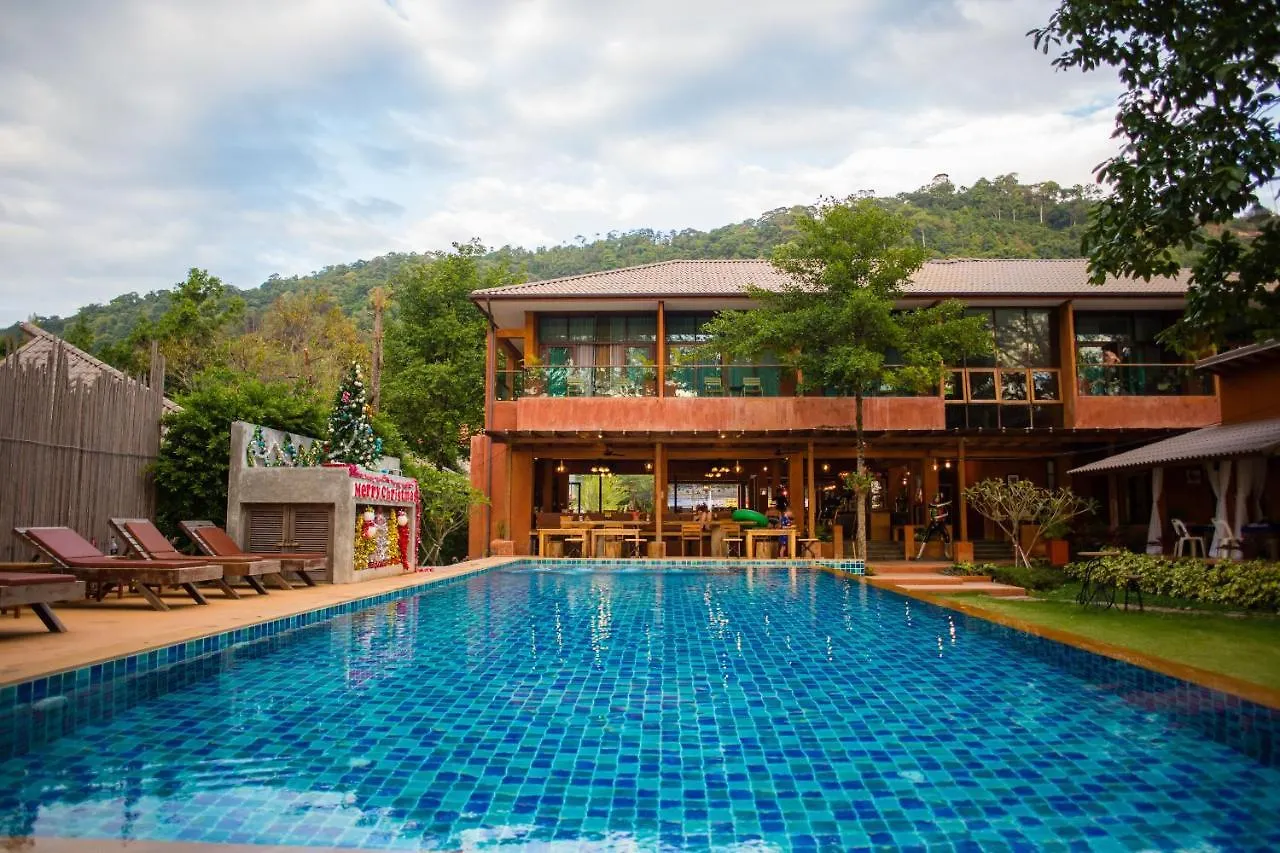
Klong Prao Beach stretches along the mid-western coast of Koh Chang, offering a quieter alternative to the busier White Sand Beach just a few kilometers north. The resorts here sit directly on or within a short boat ride of a long, palm-lined shore, making it one of the most practical beachside stays on the island - without the nightlife noise or vendor congestion found further north.
What It's Like Staying in Klong Prao Beach
Klong Prao Beach runs for around 3 kilometers on Koh Chang's west coast, split into distinct sections by the Klong Prao river mouth - which means some resorts use shuttle boats to connect guests to the beach rather than direct beach access. The area has a relaxed, low-density rhythm: no beach clubs blasting music until 2am, no tuk-tuk grids, and just a handful of local restaurants and massage huts lining the roadside. Transport relies almost entirely on songthaews (shared pickup trucks) running along Route 4049, so spontaneous evening trips into Klong Son or down to Bang Bao Bay require some planning or a rented scooter.
Guests who prioritize long beach walks and undisturbed mornings benefit most from this location. Those who want walkable nightlife or easy island-hopping would be better positioned in White Sand Beach or near the southern ferry piers.
Pros:
- Long, uncrowded beach with calm Gulf of Thailand waters - suitable for swimming most of the year
- Resorts are spaced apart, giving a more private feel compared to the density at White Sand Beach
- Local food options and massage spots are available within walking distance of most properties
Cons:
- No central walkable hub - dining and activity choices require transport or resort dependence
- Some properties are separated from the beach by the Klong Prao river, requiring shuttle boat transfers
- Songthaew service slows significantly after 8pm, limiting evening mobility without a rented vehicle
Why Choose a Resort in Klong Prao Beach
Resorts in Klong Prao Beach are built around the natural landscape - river views, tropical gardens, private beach access, and outdoor pools are standard rather than premium upgrades. Unlike guesthouses or budget bungalows further inland, resorts here typically include structured amenities: spa treatments, on-site restaurants, water sports equipment, and organized excursions, which matters on an island where outsourcing logistics to your accommodation is genuinely convenient. Room sizes at these properties are noticeably larger than equivalent-priced hotels on the Thai mainland, with most villas and bungalows featuring private balconies and outdoor space as a baseline.
The trade-off is price isolation - resort dining on Klong Prao is around 40% more expensive than the local restaurants on the main road, and guests who don't rent a scooter often end up eating most meals on property by default.
Pros:
- Beachfront or beach-adjacent positioning with direct or shuttle-assisted sand access included in room rates
- On-site spas, restaurants, and water sports reduce the need to leave the property - practical given limited local transport
- Villas and bungalow-style rooms offer significantly more indoor and outdoor space than standard hotel rooms
Cons:
- Resort restaurants charge significantly more than roadside local spots, increasing daily costs for guests who rely on them
- Some properties require river shuttle transfers to reach the beach - a minor inconvenience for multiple daily beach trips
- High-season rates spike sharply from December through February, narrowing the value gap with higher-tier island destinations
Practical Booking & Area Strategy for Klong Prao Beach
Route 4049 is the main road running parallel to Klong Prao Beach - resorts positioned directly on or immediately off this road offer the easiest songthaew access to White Sand Beach to the north and Kai Bae Beach to the south. Properties closer to the northern end of Klong Prao (near the Klong Prao river crossing) tend to be slightly more sheltered and have quicker access to the island's main commercial strip in Klong Son. Booking at least 6 weeks ahead is necessary for December and January stays, when occupancy across Klong Prao resorts reaches its highest point and beachfront villas sell out first.
Snorkeling day trips to Koh Rang, jungle trekking to Klong Plu Waterfall (roughly 3 kilometers inland from the beach road), and kayaking along the Klong Prao river are the main activity draws from this zone - most resorts offer these through their tour desks, removing the need to arrange transport independently. The beach itself is swimmable from November through May, with the clearest water conditions typically in January and February.
Best Value Resorts in Klong Prao Beach
These properties deliver solid beachfront access and resort-level amenities at more accessible price points - a practical entry point for Klong Prao without sacrificing direct beach positioning or on-site facilities.
-
1. Flora I Talay
Show on map


 Check-infrom 14:00 until 21:00Check-outfrom 11:00 until 12:00
Just a few rooms left at the best rate!
fromTHB 1371
-
2. Centara Koh Chang Tropicana Resort
Show on map


 Check-infrom 15:00 until 23:59Check-outuntil 12:00
Just a few rooms left at the best rate!
fromTHB 3427
-
3. Barali Beach Resort Koh Chang
Show on map


 Check-infrom 14:00 until 23:00Check-outuntil 12:00
Hurry – almost gone at this price!
fromTHB 2611
Best Premium Resorts in Klong Prao Beach
These two properties represent the highest-tier stays on Klong Prao - one positioned on the Klong Plu River with distinctive riverside architecture, the other directly on the beach within a National Marine Park boundary, both offering facilities and settings that justify the premium rate.
-
4. Aana Resort & Villas Koh Chang
Show on map


 Check-infrom 15:00 until 22:00Check-outfrom 06:00 until 12:00
Hurry – almost gone at this price!
fromTHB 1436
-
2. Santhiya Koh Chang Resort - Up To Thb 3,000 Resort Credit Per Night
Show on map


 Check-infrom 15:00 until 23:00Check-outfrom 07:00 until 11:00
Rooms filling fast – secure the best rate!
fromTHB 5941
Smart Timing & Booking Advice for Klong Prao Beach Resorts
The Gulf of Thailand coast of Koh Chang - where Klong Prao sits - has its clearest, calmest conditions from November through April. December through February is peak season: beachfront villas and ocean-view rooms at Santhiya and Aana sell out weeks in advance, and rates across all five resorts on this list climb sharply compared to shoulder months. March and April remain dry but begin to feel warm and humid, while May marks the start of the southwest monsoon - some resorts reduce rates by around 35% during low season, and the beach, though rougher, remains accessible on most days.
A stay of 4 nights is the practical minimum to justify the Trat flight or ferry journey from Bangkok - shorter stays compress the cost-per-transfer ratio significantly. October is underrated: the tail end of monsoon season sees occasional rain but dramatically lower rates, thinner crowds, and lush jungle conditions for waterfall and trekking activities. Last-minute availability exists in low season but is rare from Christmas week through Chinese New Year, when the island sees its highest annual occupancy.